What medical device trends really mean for product development

From AI-powered diagnostics to medical wearables, the World Health Expo in Dubai revealed where healthcare technology is heading and what these trends mean for companies developing reliable medical devices.

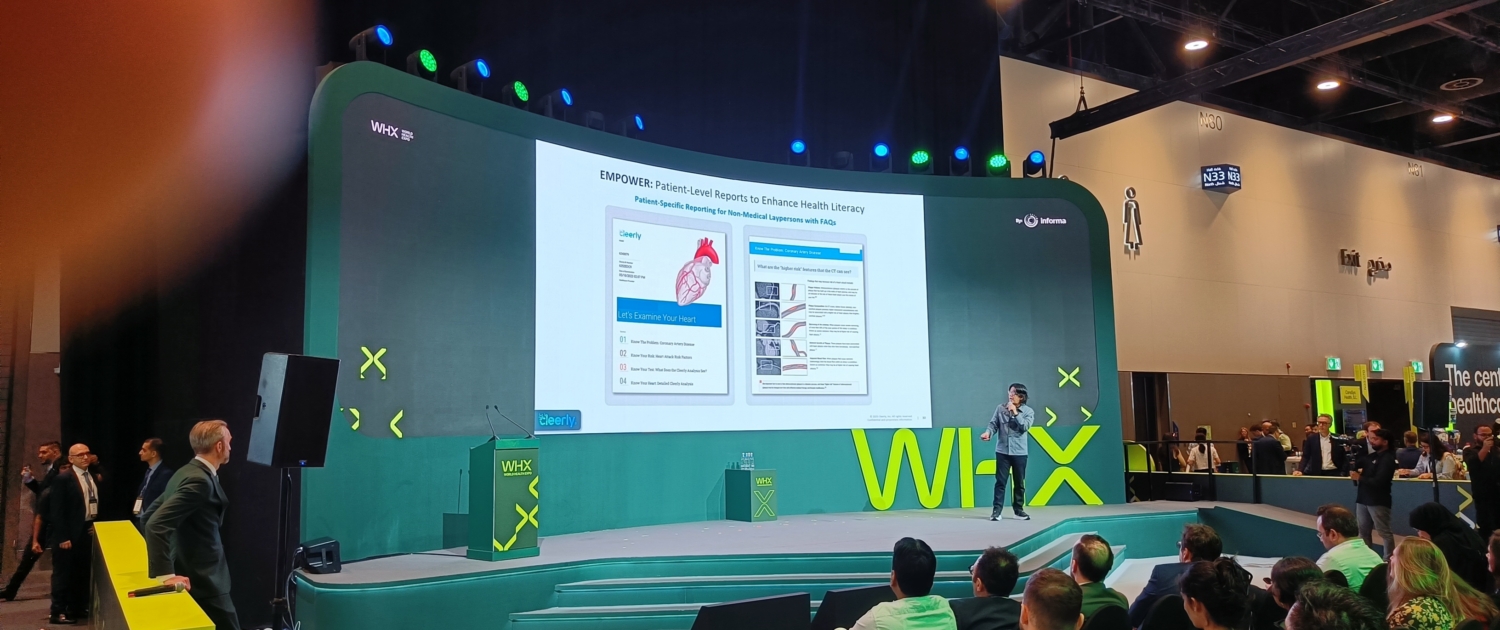
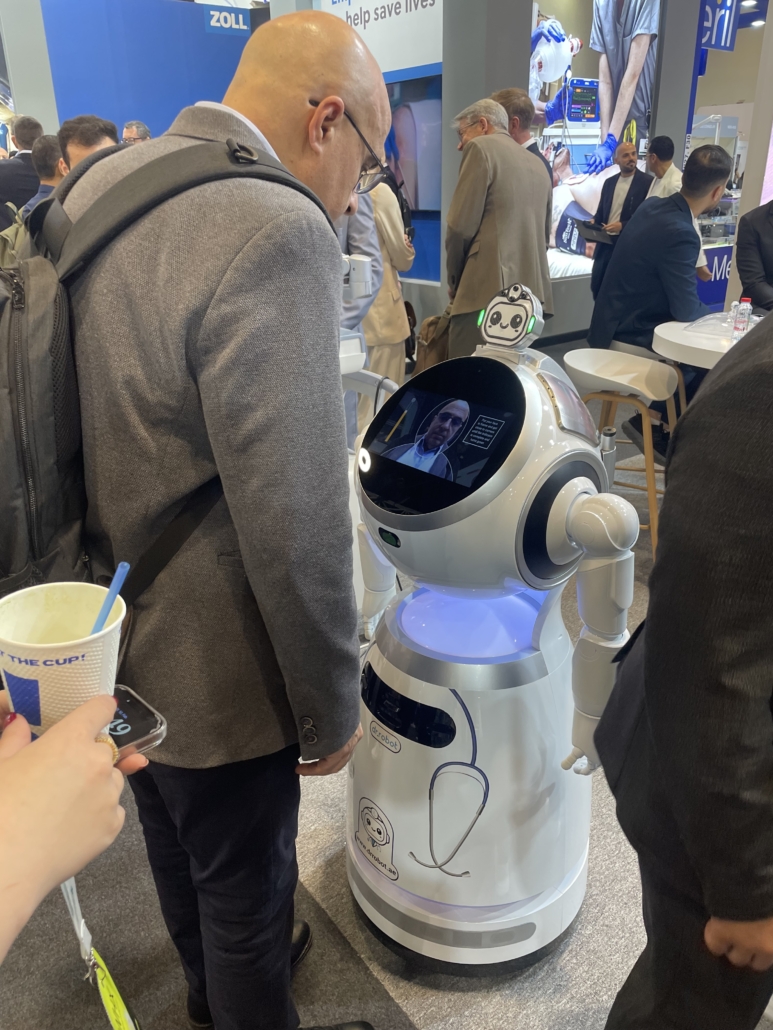
In February 2026, the World Health Expo (WHX) in Dubai brought together thousands of medical technology companies, hospitals, startups and innovators exploring the future of healthcare.

Across the exhibition halls, one direction was clear: medical devices are becoming smarter, more connected and increasingly personalized.

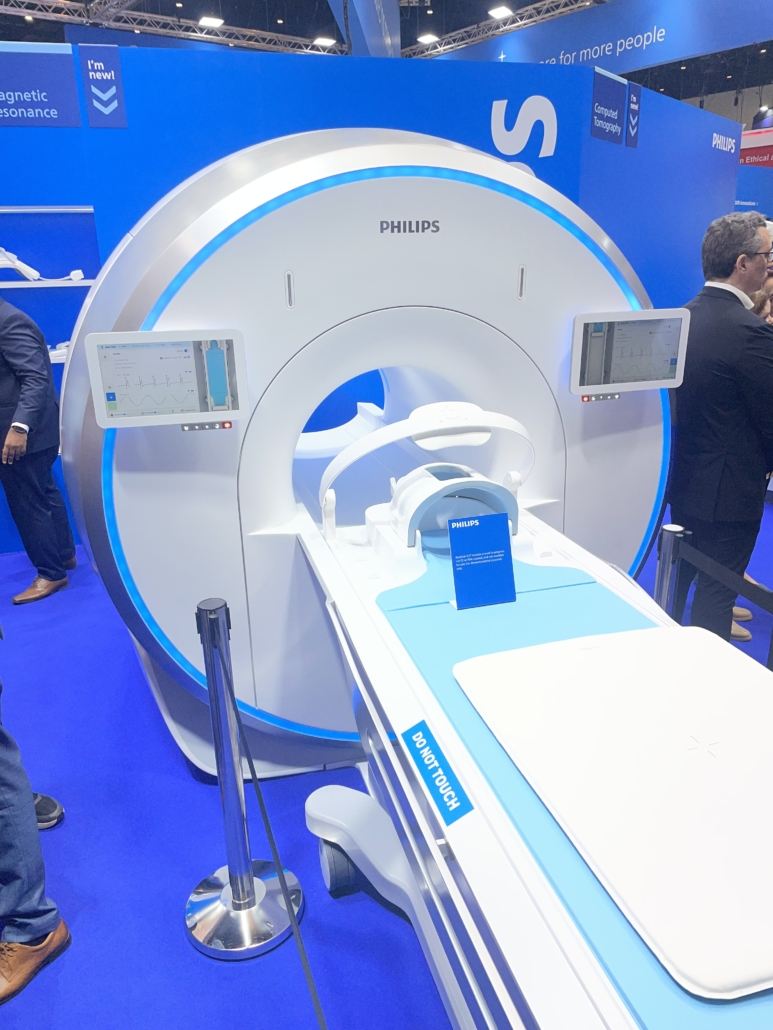
  • AI-powered imaging systems.
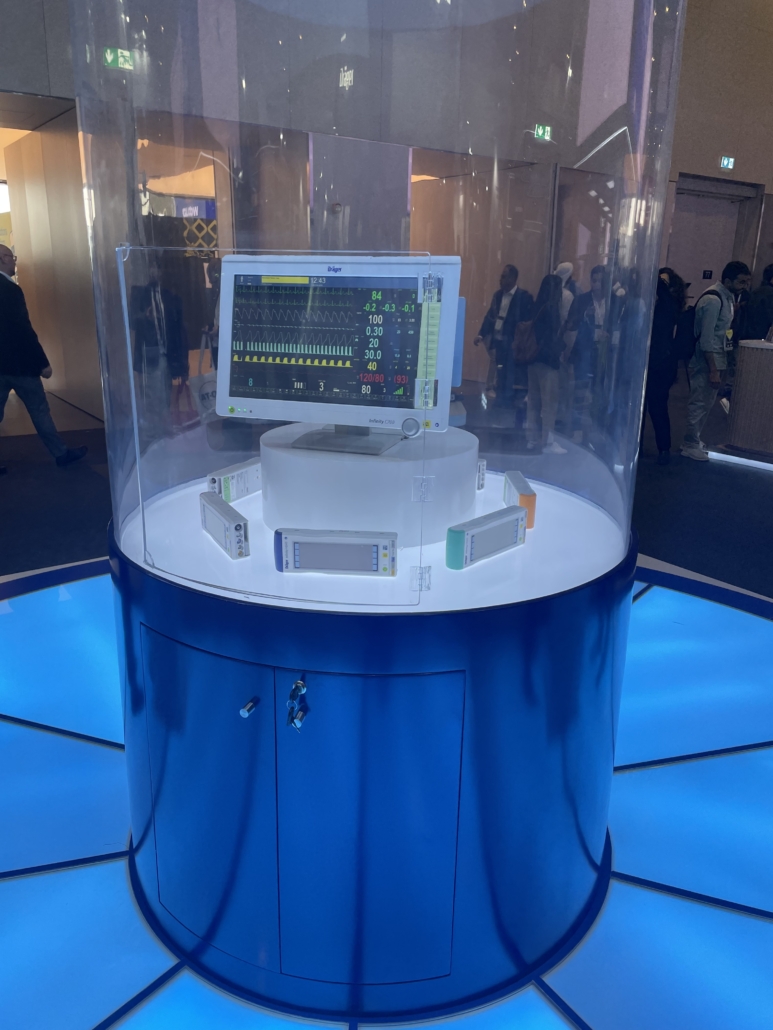
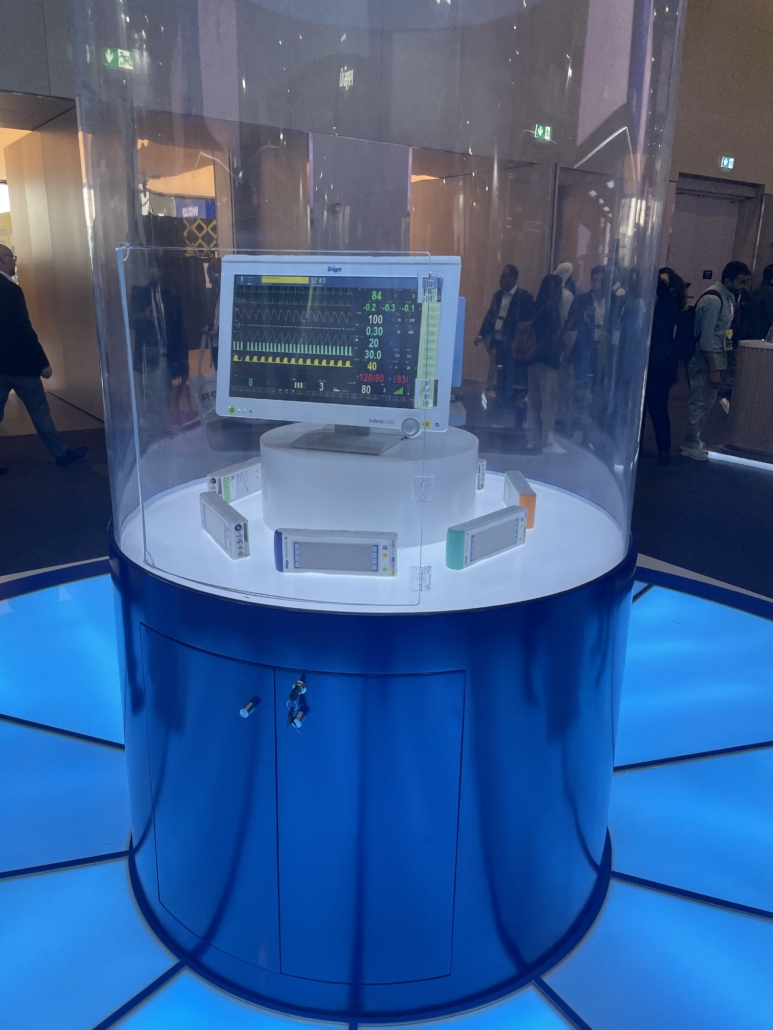
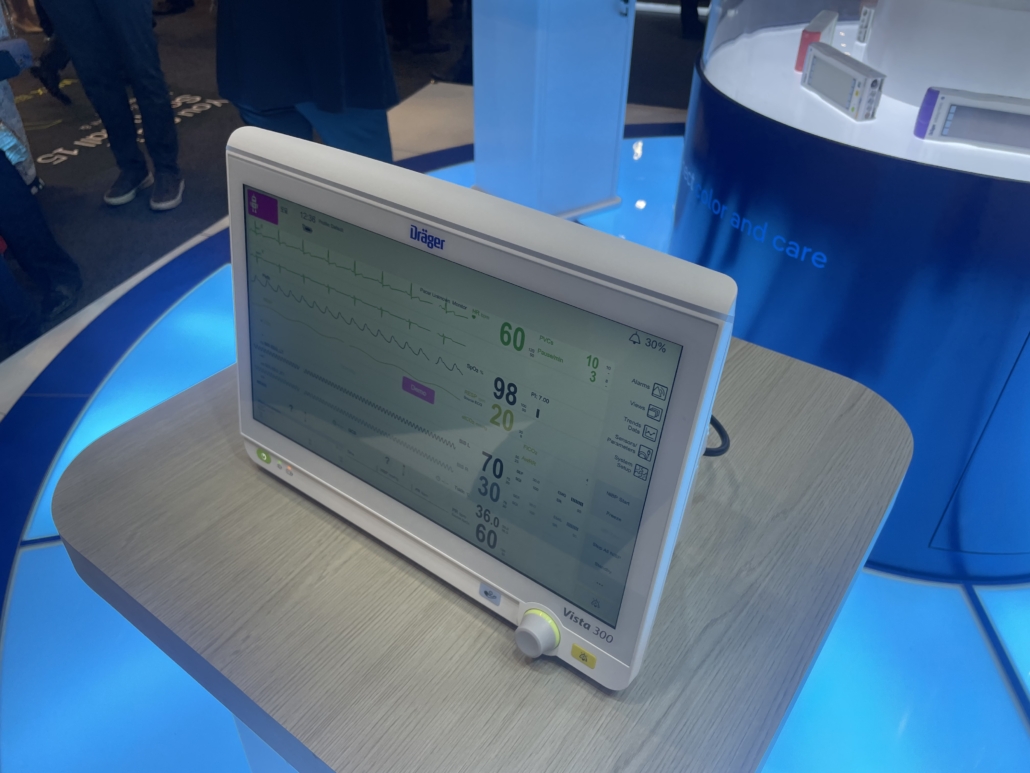
  • Connected monitoring platforms.
  • Smart implants.
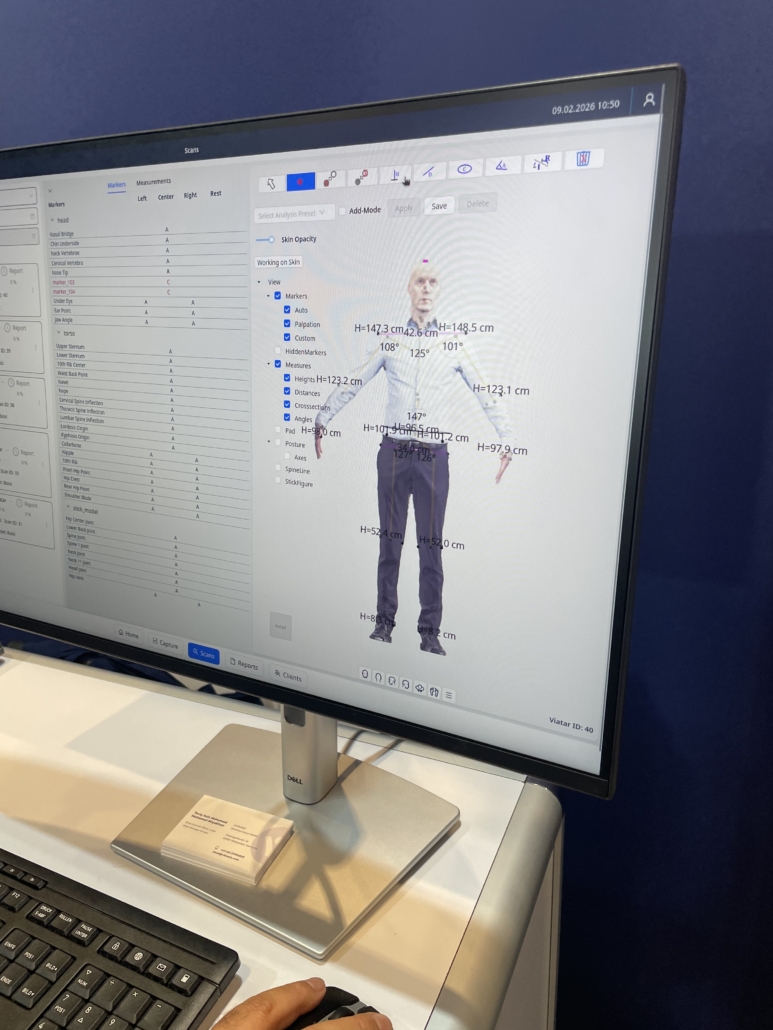
  • Medical-grade wearables and handheld diagnostics.

The momentum behind digital health ecosystems is undeniable.

But behind the excitement lies a more critical question: What do these trends mean for companies developing medical and laboratory devices that must perform reliably for 10 to 15 years?

Trend

AI-powered diagnostics

Connected care ecosystems

Medical wearables

Handheld diagnostics

Smart implants

What we saw

-> Automated image analysis and predictive alerts

-> Devices integrated into hospital and cloud systems

-> Continuous monitoring outside hospitals

-> Portable devices bringing testing closer to patients

-> Devices becoming part of digital health networks

1. From innovation to impact: technology must serve a purpose

At WHX, artificial intelligence was no longer presented as an add-on. It is rapidly becoming a core device feature.

From automated image analysis to predictive alerts and workflow automation, intelligence is increasingly embedded into system architecture.

However, embedding intelligence is not just a software decision.

It is a system architecture decision.

Electronic components, processors and communication modules often have short market lifecycles, while medical devices must remain operational for many years.

The real challenge is not whether to integrate AI.

It is how to design systems that allow technology to evolve without forcing a complete redesign.

Innovation must be upgradable, not fragile.

2. Sustainability and lifespan instead of early obsolescence

Many innovations at WHX focused on performance improvements. But there is also growing awareness of lifecycle sustainability.

Key questions increasingly raised during the fair included:

  • How can hardware remain available long-term?
  • How can dependency on short-lifecycle electronics be reduced?
  • How can product support be guaranteed throughout the full operational lifespan?

Too often these questions are treated as supply chain issues.

In reality, they are design decisions.

Modular architectures, system separation and long-term sourcing strategies must be defined early in the development process.

3. Usability remains critical as devices move beyond hospitals

Another dominant theme was the rise of medical-grade wearables and handheld diagnostics.

Devices are moving: Hospital → Clinic → Home → Body

As monitoring becomes continuous and integrated into daily life, usability becomes more critical than ever.

Technology-driven solutions often add functionality.

But in real medical environments, complexity increases:

  • cognitive load
  • risk of user error
  • inefficiency

Continuous usability improvement is therefore not optional.

It is directly linked to safety, performance and adoption.

4. The real risk: technology push without system thinking

Across AI, connected care, wearables and smart implants, a recurring pattern appears.

The industry is moving quickly toward deeper technology integration.

But the biggest risks are not technological.

They are architectural.

Without early system-level thinking, companies risk:

  • Over-engineered solutions
  • Obsolescence-driven redesign
  • Higher lifecycle costs
  • Usability degradation
  • Regulatory complications

The most successful devices presented at WHX were not simply the most intelligent.

They were the most integrated.

5. Conclusion

WHX 2026 shows that medical innovation continues to accelerate.

But real impact only emerges when technology, longevity and usability are balanced within a structured development process.

Competitive advantage will not come from adding more technological features.

It will come from designing medical devices that remain:

  • reliable
  • intuitive
  • serviceable

long after the initial technology wave has passed.

How future-proof is your medical device architecture?

If these trends are influencing your product roadmap, it may be time to step back and evaluate:

  • technology lifecycle risks
  • system architecture flexibility
  • usability across care environments
  • long-term serviceability

MMID helps medical device companies translate technological trends into reliable product architectures.

More news

cost control in product development
digital twin in product development
Advanced Noise Reduction Technology HVAC
Medical Device Development Essentials
ISO-13485 logo

mmid contact nmu cta
Ready for teaming up?
Contact Nils Müller, let’s talk about ambitions!